Training the Troops
Everyone On The Same Page
This was my ‘tease’ from the last newsletter —
“The other important area to focus on is ‘training.’ I discovered decades ago that getting a degree in journalism or mass communications did not necessarily prepare people to do journalism that an audience will trust. Thus, the need for in-house training. I’ll share more about that in the next part of this series.”
I’ll share thoughts from my experience as a ‘street journalist’ and a news manager. I also hope you will share your thoughts about training in the newsroom in the Comments section below. We can learn from each other.
The Art of Training
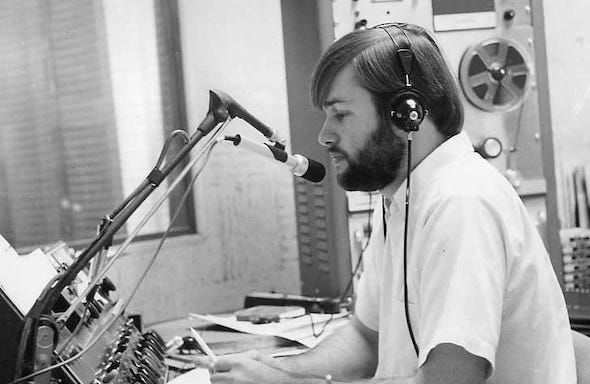
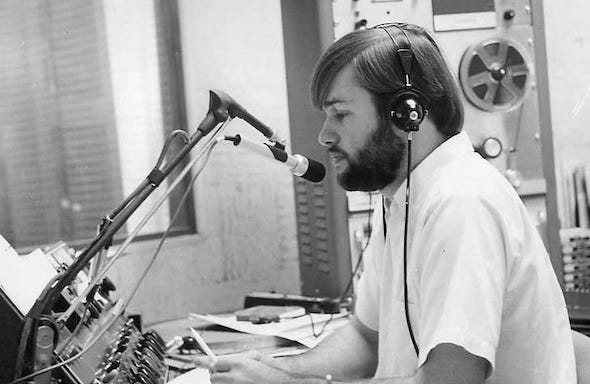
My ‘official training’ began in college. Some journalists get the opportunity to work on a high school newspaper or radio station — which I recommend. Your training will usually be as good as your ‘trainer.’ I was blessed to have instructors who had worked professionally for many years in print and broadcast journalism. They cut through ‘theory’ and got right to the ‘reality’ of what working in the news media would really be like. That was a big help in getting my first job and the ones that followed.
The training I received in my first job was somewhat minimal because the staffing was so small. It was a little radio station in a small market. However, I did everything I could to learn every aspect of the radio business while I was there. Fortunately, the small market was close enough to a major market where news directors could listen to the station as they looked for people to hire. I got the call from a large market radio news director and took a job as a reporter and anchor. The radio station also had a UHF TV station that provided news headlines every hour. That was definitely a bonus for a young journalist like myself.
The news director demanded that things be done a certain way — his way. Fortunately, my news director came from the ‘old school’ of journalism that emphasized curiosity, skepticism, accuracy, and objectivity. He made it clear that his reporters must be politically ‘independent’ and never express any personal bias about any story. That meant no political bumper stickers on our cars, no political signs in our yards, and no membership in a political party. The consequence of violating his rules meant immediate suspension with probable dismissal. He trained us in many other areas of reporting, writing, anchoring, etc., but understanding the importance of being politically independent and thinking critically about every news subject was a lesson I took with me for the rest of my career. In fact, I’m still a political independent to this day even though I’m retired.
Eventually, I got my chance to manage a small radio news department that reported for two stations (AM and FM). Because we were a small department I also covered news stories, reported live from news scenes, edited my own tapes, and produced and anchored newscasts. The combination of being a reporter, editor, producer, anchor, and news director was good experience for me. I think it was also good for my small team of journalists to see their news director out covering news stories.
That experience in radio led to an opportunity to become a television reporter, then an assignment editor, managing editor, assistant news director, and finally a TV news director in medium-size markets. I retired from the news business after spending years as an executive producer in a major TV market. Those kinds of experiences in one’s career lead you to make decisions about how you’re going to manage other journalists and members of the production team. My objective was to get every member of the team working ‘on the same page.’
Here are three ideas that might help —
First, I think it’s important for a news manager to ‘remember’ what it’s like to be a ‘street journalist’ — whether you were a reporter, photographer, photojournalist, or remote producer. You will relate better to your team as you share that you understand what they face in their positions. Why? Because you’ve done what they’re doing. They will know that you know what it’s like to be ‘outside’ the newsroom doing the hard work they’re doing every day.
Second, I think it’s important to ‘listen’ to members of your team. You may or may not agree with all of their thoughts and ideas, but ‘active listening’ demonstrates respect. Everyone needs to have a sense that they're a respected member of a team. Ask questions about their ideas. Don’t just shoot down an idea until you know the thought process behind it. Questioning your team members about why they think a story idea is a good one is another way of ‘training’ them to be better journalists.
Third, I think it’s important to ‘support’ members of your team. Another way to say that is to ‘have their backs.’ Don’t throw members of your team ‘under the bus’ just so you look good to upper management or don’t get into trouble with the sales department or some political figure or powerful community leader. Support your team. You may need to have some serious conversations with team members when they mess up or ‘go off the rails’ on a story, but you need to show your staff that you respect them and will do the right thing by the team. That often means keeping those ‘serious conversations’ private. However, if an offense is so egregious or public that you have to address it before the entire staff, do so carefully and respectfully. That’s part of ‘training’ your team.
Doing ‘Real’ Journalism
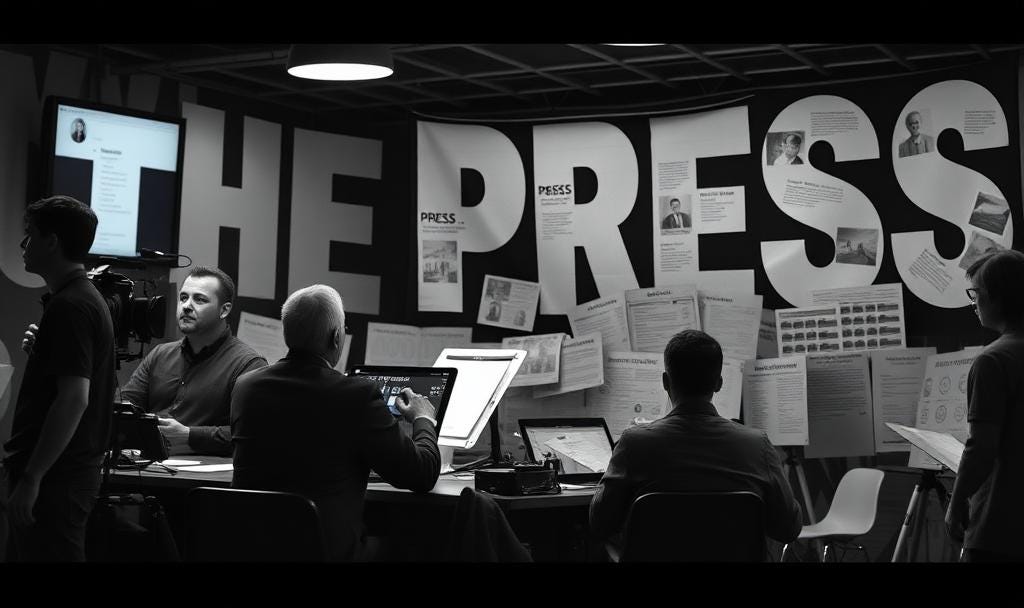
Hiring the right people, then ‘training the troops’ so that everyone is on the same journalistic page, should be a big part of a manager’s game plan. Every day in the newsroom is an opportunity to train members of the team. Focus on the meaning of ‘teamwork’ and doing ‘real journalism.’ That includes a strong focus on news story ‘originality.’ Rather than follow other journalists around town covering the same stories, a ‘real’ team of journalists should be out looking for original stories and angles to popular stories that are important and meaningful to your news audience.
Story ‘originality’ can occur in several ways. One way is to tell stories that no other journalist in your TV market covers. Another way is to find original ways to tell stories that every other journalist in your TV market is covering. Your team can still cover news conferences, press releases, crime, court trials, city council meetings, school board meetings, etc., but lead your team to look for ways to tell stories in unique and sometimes unexpected ways. Also look for ways to cover breaking news that are more impactful and creative than your competition.
Next Time
Sounds great, right? But where do you start? I’ll look at that in the next part of my series.
Comments and Questions Welcome
I hope these thoughts are helpful to you. Please share your comments and questions and I will respond as quickly as I can. If you like what we’re doing in this newsletter, please let your friends know about it so they can subscribe.
Newsletter Purpose
The purpose of this newsletter is to help people who work in the fields of journalism, media, and communications find ways to do their jobs that are personally fulfilling and helpful to others. I also want to help news consumers know how to find news sources they can trust.
[The Real Journalism Newsletter is published every other Tuesday morning — unless there’s ‘breaking news!]