A Return to the 'Good Old Days'
A 'Way Back' For Real Journalism

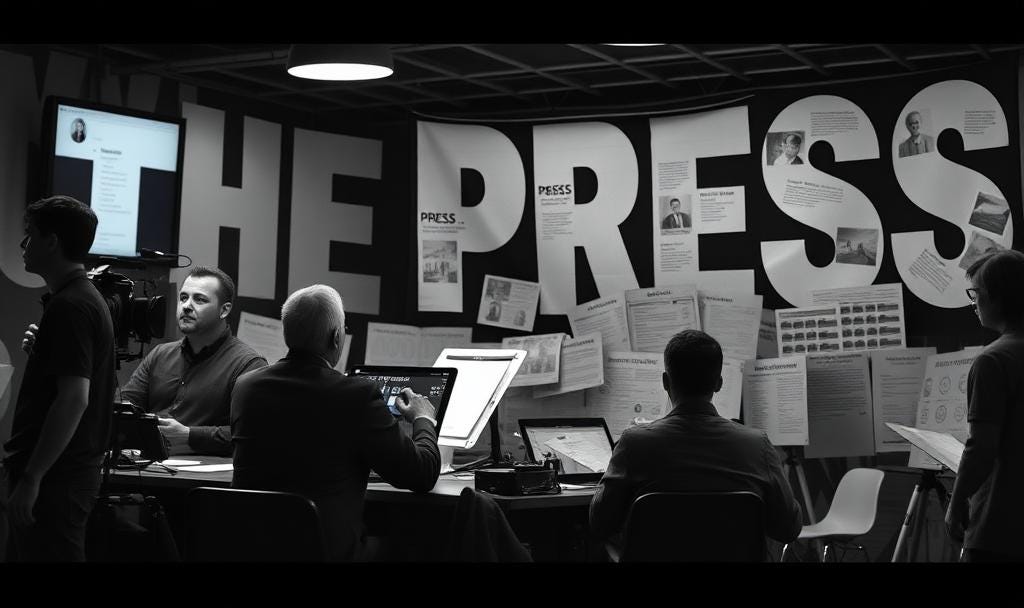
Older people often refer to the ‘good old days.’ When it comes to journalism they often reminisce about the days when they could ‘trust’ the news they read in newspapers, saw on TV, and heard on the radio. The latest national polling shows that trust in the media in the United States is at an all-time low of 28%. Interestingly, trust by people in their 30’s and 40’s is even lower (23%). Things are not looking good for the future of journalism at this moment.
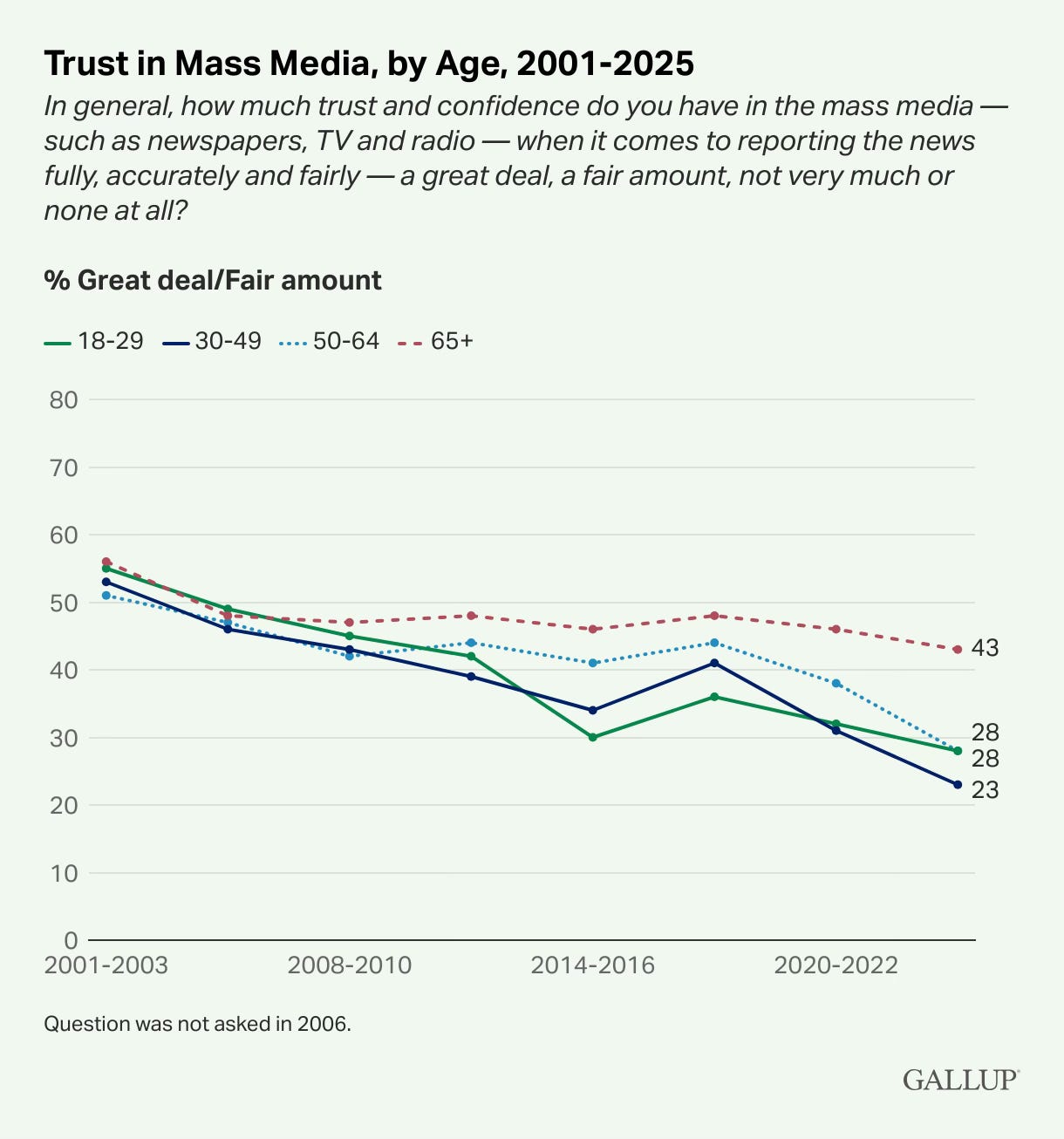
I believe that the only way to return to the ‘good old days’ is to do what journalists did in the good old days. That was to emphasize four basic principles:
While many things have and will change in journalism (e.g. technology, newscast production, online news editorial processes, influence of artificial intelligence, etc.), the things that won’t change are the ‘principles’ of real journalism. If journalists are not curious, they are not practicing real journalism. If they are not skeptical about what people in power say and do, they are not practicing real journalism. If they are not objective in their reporting, they are not practicing real journalism. If they are not accurate in their reporting, they are not practicing real journalism.
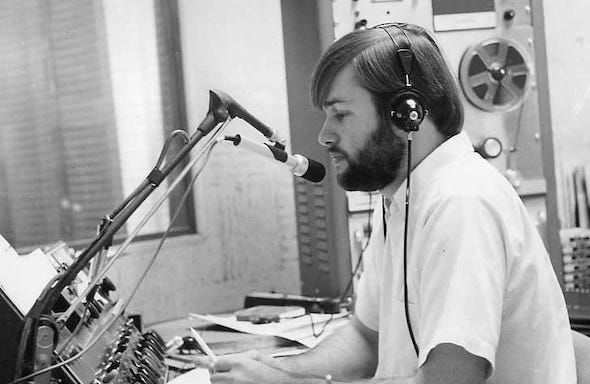
I was a manager in one of the first all-digital newsrooms for a 24-hour news channel in the country. The technology in broadcast journalism changed greatly from when I began in 1967, but what did not change were the basic principles of real journalism. Working in an all-digital environment without a video tape recorder as a backup anywhere in the building was like doing a high wire act without a net, but the principles of real journalism remained the same. Many believe the future of journalism will be guided by ‘artificial intelligence,’ but even that will not change the principles of real journalism. No matter who or what runs the newsrooms of the future, they can’t succeed in real journalism without adhering to the four primary principles of journalism.
Where Do We Begin?
Great question! Making changes means starting somewhere. I recommend that ‘somewhere’ be in the areas of hiring and training. ‘Hiring’ is more than finding someone your company can afford or someone who will accept your best offer. You are adding a journalist to your ‘team’ of journalists. Whether you are hiring someone to fill an open position in a traditional newsroom or looking for someone to partner with you and others in an independent venture, look for people who understand what it means to be part of a team of ‘real’ journalists.
Being part of a ‘team’ does not mean capitulating to what everyone else wants to do. However, it does mean knowing how to communicate your ideas clearly and concisely so that other members of the team can see how your ideas will move everyone forward toward the ‘truth.’
Originality
Originality is important in doing ‘real journalism.’ That might mean coming up with an original story, not just following the crowd of journalists in town from one news conference and press release to another. That also might mean finding new ways to present news stories in ways that communicate more clearly and personally to your audience. There are many ways to be ‘original’ in gathering, confirming, and reporting the news. As you hire or partner with other journalists, look for ‘original thinkers.’
Training
The other important area to focus on is ‘training.’ I discovered decades ago that getting a degree in journalism or mass communications did not necessarily prepare people to do journalism that an audience would trust. Thus, the need for in-house training. I’ll share more about that in the next part of this series.
Until then I invite you to re-read the newsletters I’ve published during the past several months and look for areas that will help you improve in providing real journalism to your audience.
Comments and Questions Welcome
I hope these thoughts are helpful to you. Please share your comments and questions and I will respond as quickly as I can. If you like what we’re doing in this newsletter, please let your friends know about it so they can subscribe.
Newsletter Purpose
The purpose of this newsletter is to help people who work in the fields of journalism, media, and mass communications find ways to do their jobs that are personally fulfilling and helpful to others. I also want to help news consumers know how to find news sources they can trust.
[The Real Journalism Newsletter is published every other Tuesday morning — unless there’s ‘breaking news!]